Why Marquee Light-Up Letters Feel So Festive
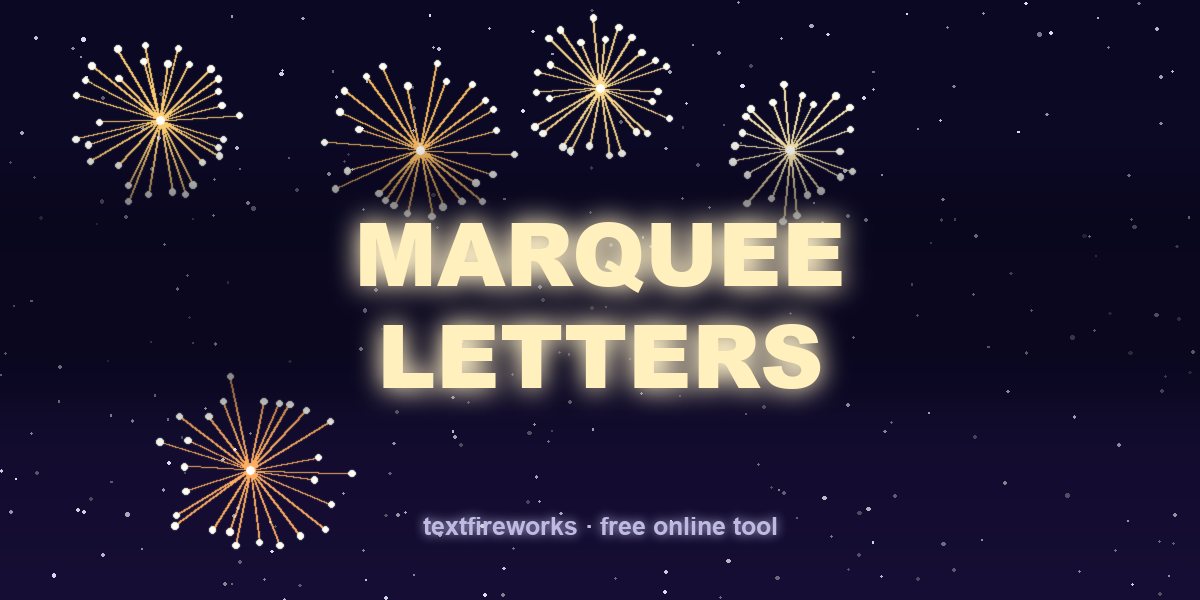
Giant glowing letters spelling HAPPY BIRTHDAY behind a cake. LOVE in warm bulbs at a wedding. A single lit number at a milestone party. Marquee letters are everywhere in celebration photography — and the style is more than a century old. Here's where it came from, why it works so well, and how to get the look in a video without renting anything.
A short history
The word "marquee" originally meant the canopy over a theatre entrance. In the early 1900s, theatres and cinemas began ringing their entrance signs with rows of incandescent bulbs — electricity was new, and a wall of little lights was the most spectacular advertising money could buy. Broadway and later Las Vegas turned bulb-studded signage into an art form; "seeing your name in lights" literally meant seeing it written in marquee bulbs.
When LED bulbs made the look cheap and cool-to-touch in the 2010s, event stylists brought it down to human scale: hire-a-letter companies now stock entire alphabets of 1-metre bulb letters for weddings and birthdays, and the aesthetic went viral through event photography on Pinterest and Instagram.
Why the style reads as "celebration"
- Warm points of light — rows of small bright dots mimic candles and fairy lights, which we already associate with festivity.
- Both shape and glow — the letter form is outlined AND filled with light, so it stays readable from across a room (or on a small phone screen) even in the dark.
- Rhythm — evenly spaced bulbs create a visual rhythm, and when they blink in sequence, the sign feels alive. Real marquee signs chase their bulbs for exactly this reason.
The design rules that make it look right
Look closely at a well-made marquee letter and you'll notice strict geometry: bulbs sit on the centreline of each stroke, never touching the edges; every bulb is the same size; and spacing between bulbs is even — roughly one bulb-width of gap. Break any of these and the letter instantly looks homemade. Bold, chunky letterforms work best because thin strokes can't fit a bulb at all.
Getting the look without renting letters
Physical letter hire runs $30–60 per letter per event. The digital version is free: the text firework video maker has a marquee style that follows the real design rules — each letter gets a glowing coloured outline, and round white bulbs are placed along the exact centreline of every stroke, evenly spaced, all identical, with some bulbs flaring brighter in sequence like a real chasing sign. Type a name, and thirty seconds later it arrives by firework and lights up bulb by bulb.
Styling tips
- ALL CAPS reads most like real rental letters — lowercase marquee exists but is rarer in the wild.
- One or two words per line keeps letters big enough for the bulbs to shine.
- Warm gold on a dark background is the most authentic vintage look; rainbow per-letter colours give the modern party version.